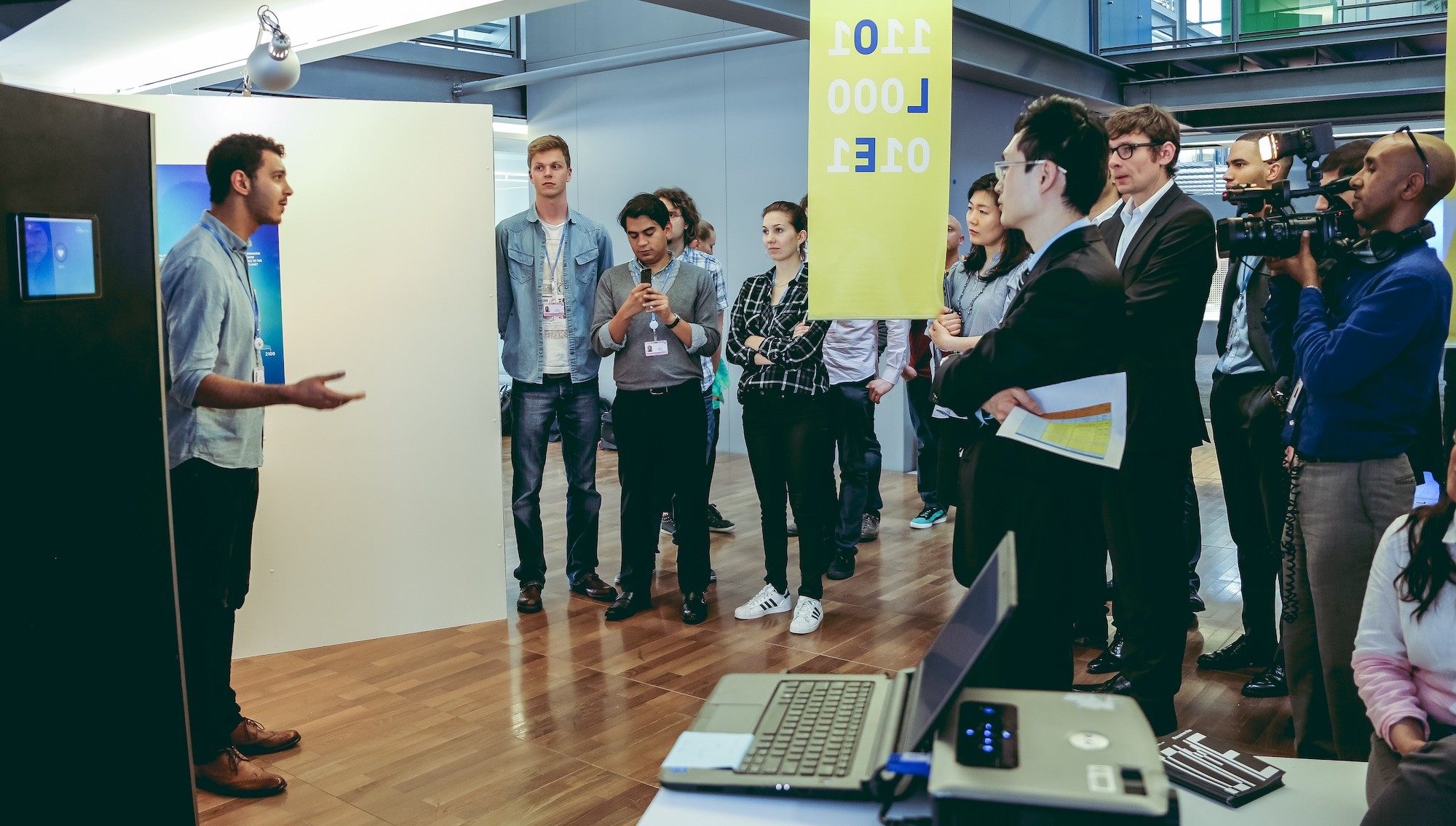
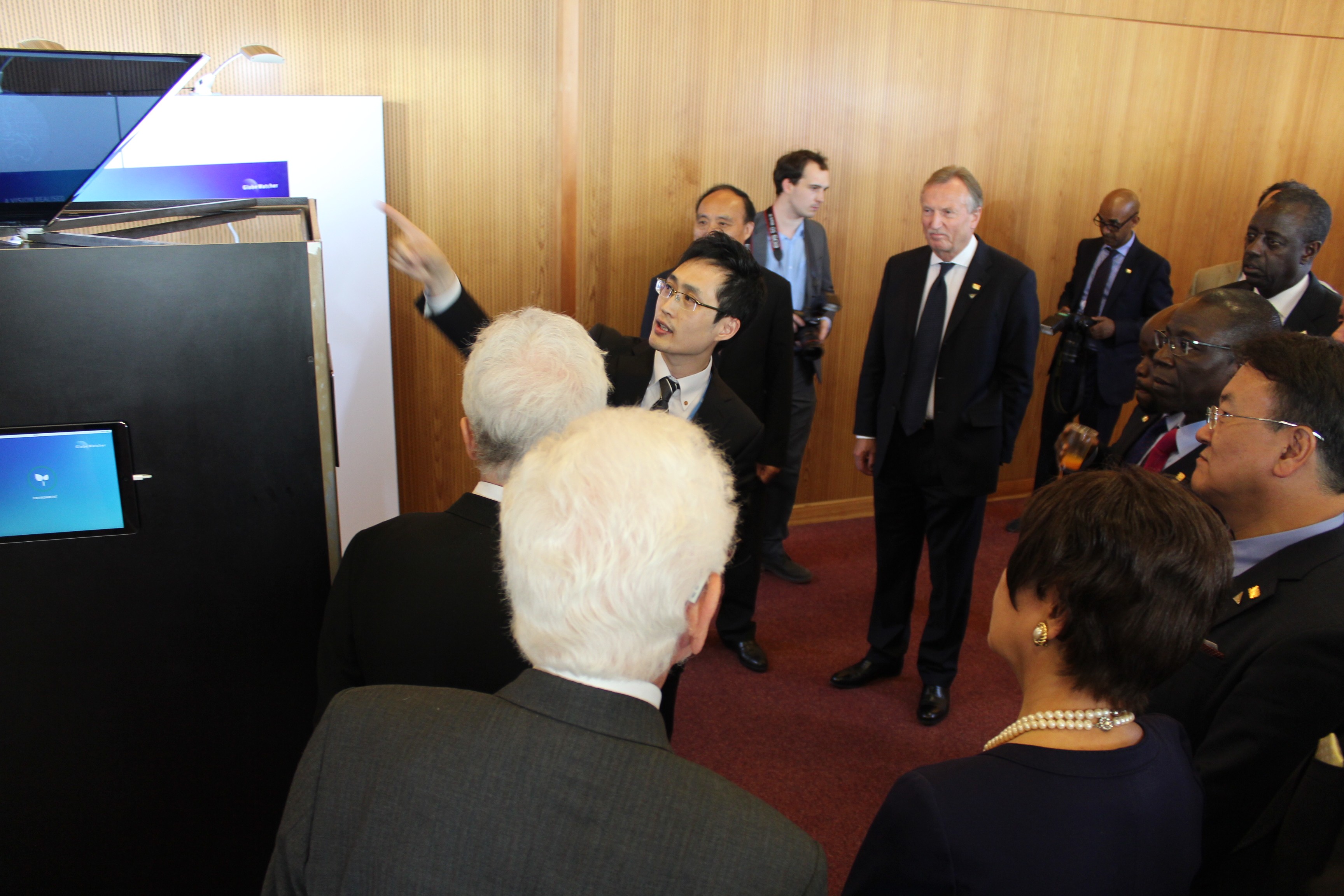
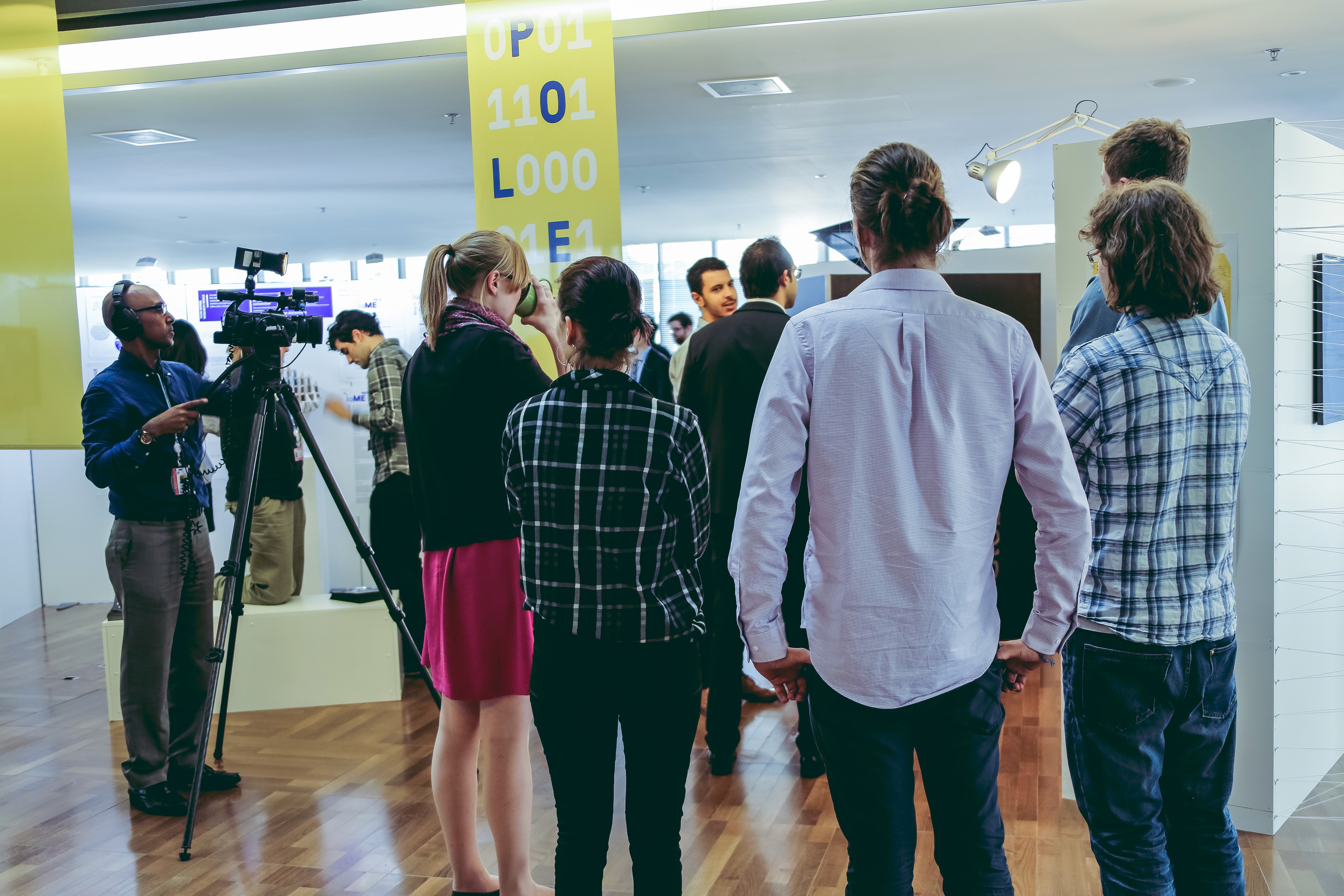
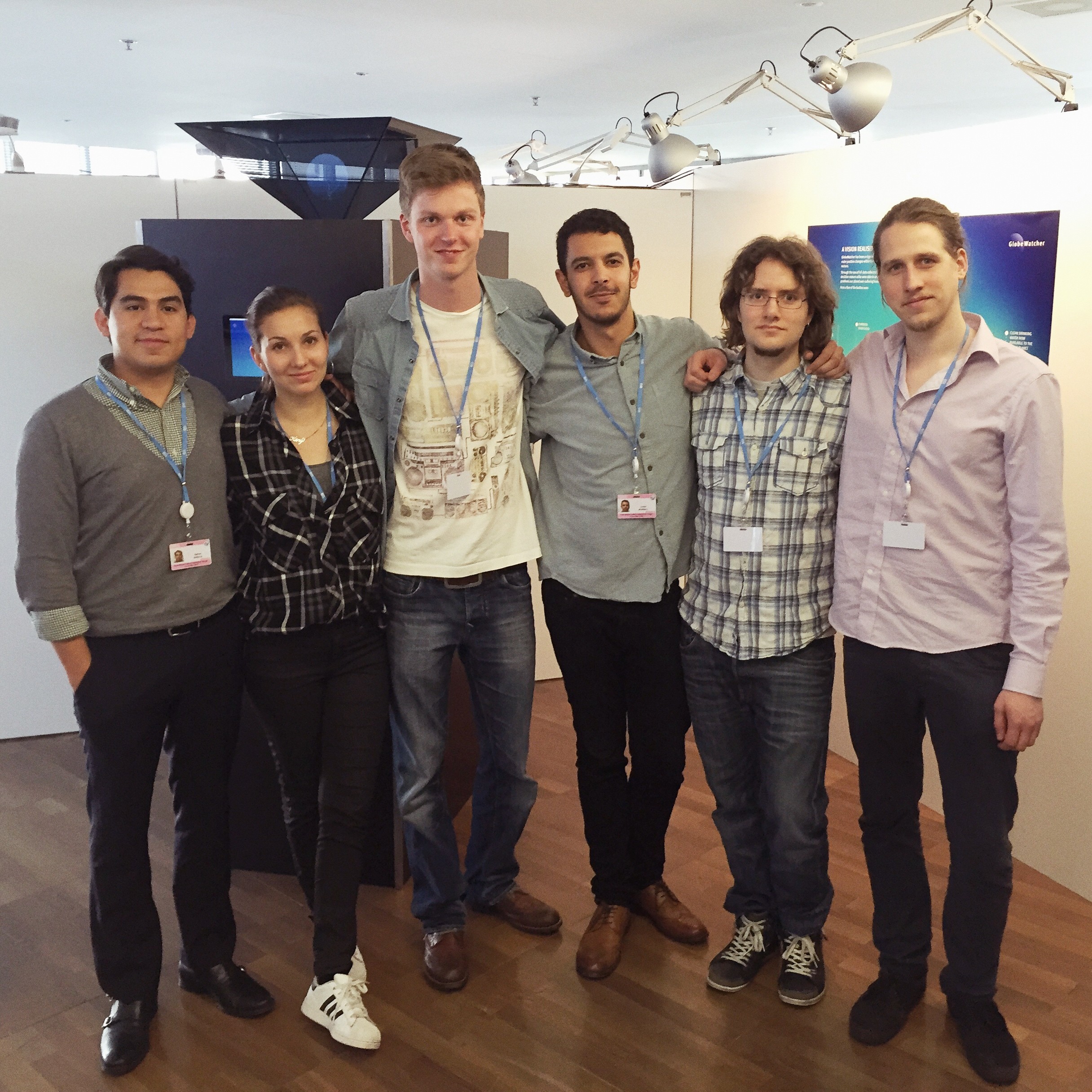
As part of the international iPOLE (Integrated Project Oriented Learning Environment) programme at FHNW, I joined a multidisciplinary team of students from across Europe and Asia to design and prototype an Internet of Things concept in collaboration with Swisscom. Our work culminated in an interactive data installation exhibited at the United Nations ITU 150th anniversary in Geneva.
Client:
FHNW × Swisscom × iPOLE International Programme (Exhibited at United Nations ITU, Geneva)
My Role:
Research Fellow — UX and Interaction Design
Year:
2015
Service Provided:
UX Research, Interaction Design, Data Visualisation Design, Physical–Digital Interface Design, Information Architecture, Collaborative Prototyping
The Problem
The rise of IoT and low-power sensor networks was opening new possibilities for collecting data about the physical world. However, conversations around IoT were largely technical, focused on infrastructure and connectivity rather than on how humans might meaningfully understand and interact with the data such systems could one day produce.
We were challenged to imagine how future sensor networks and global data streams could be translated into something people could intuitively explore.
How might complex global data about environment, health, society, and economy become tangible, interactive, and understandable for humans?
The Solution
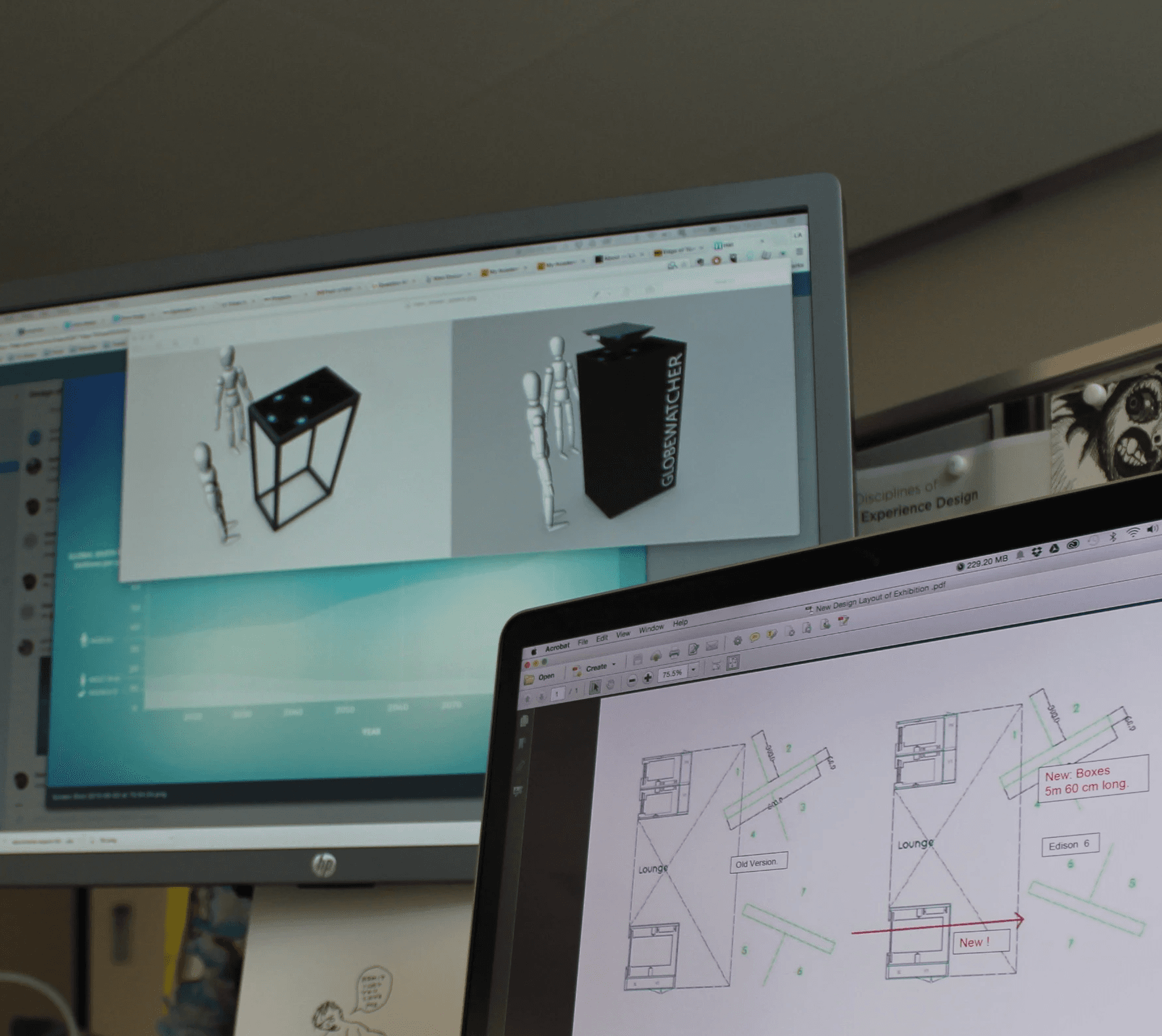
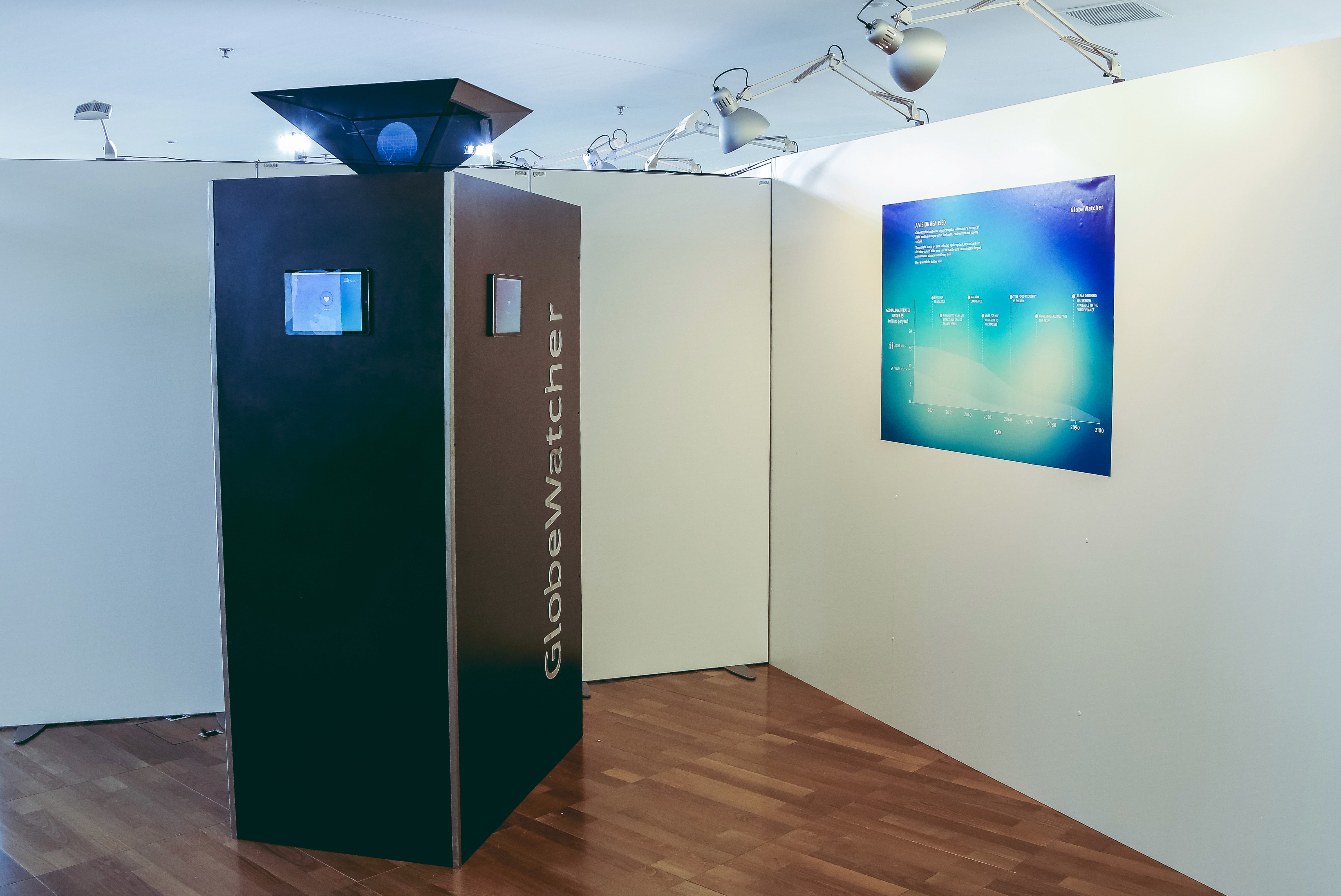
Our team designed and built a conceptual, interactive holographic globe that demonstrated how such data might be explored in the future.
The installation consisted of:
A central holographic globe representing the planet
Three connected iPads acting as interaction controllers
A speculative system allowing users to select data layers related to environment, health, society, and economy
Simulated visualisations projected onto the globe to illustrate potential correlations when users interacted with the tablets
By touching any of the iPads, users could explore how different data dimensions might relate to one another across the world. Instead of reading charts or dashboards, they experienced data spatially and physically.
The installation acted as a conceptual prototype, turning abstract IoT and global monitoring ideas into something experiential, intuitive, and memorable.