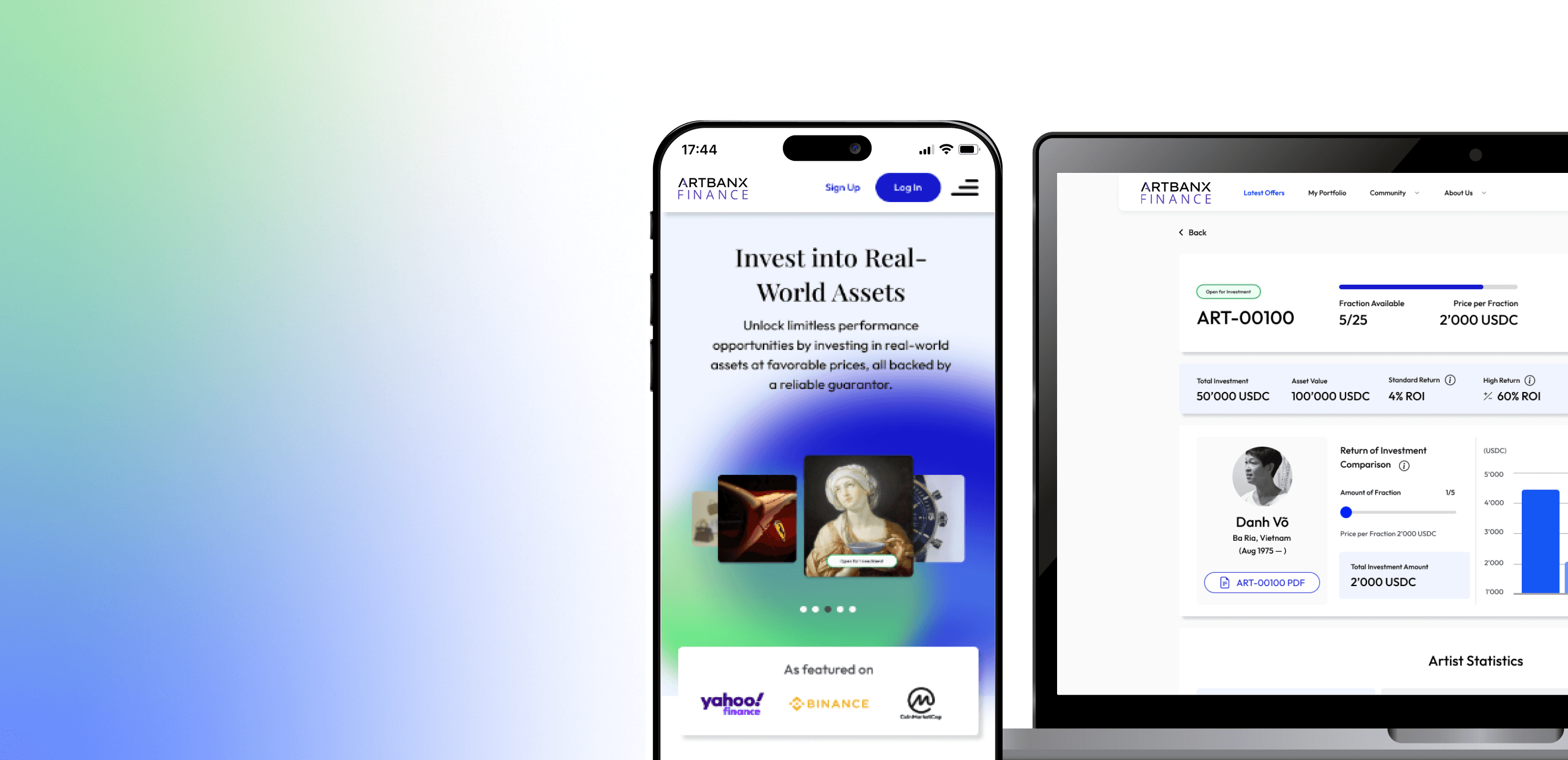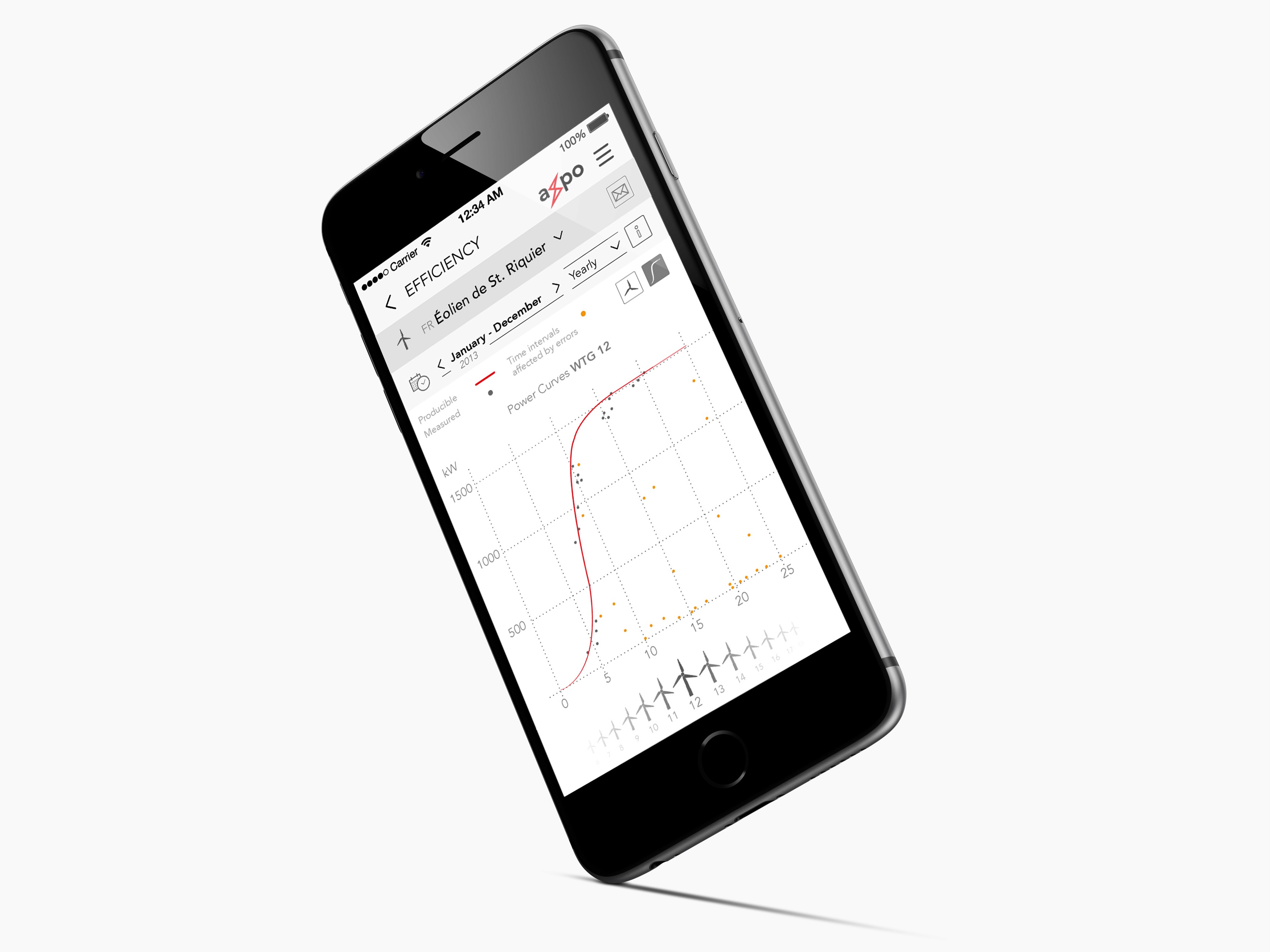
AXPOxREM was one of my earliest and most formative projects. Working as a research fellow within the Design and Technology team at FHNW's Institute of 4D Technologies, I designed a mobile application for AXPO, one of Europe's leading energy companies, to help operators manage wind turbine assets across multiple sites. This was a data-heavy, expert-user problem from the start. The users were energy infrastructure professionals who needed to make fast, accurate operational decisions from incomplete and fragmented information. Getting the information hierarchy right was not a design preference. It was a functional requirement.
Client:
AXPO via Institute for Data Sciences FHNW
My Role:
Research Fellow — UX and Interaction Design
Year:
2014-2016
Service Provided:
UX/UI Design, User Research, User Tests with Eye Tracking Software
The Problem
Wind turbine operations across multiple sites generated significant data, but that data lived in fragmented systems with no standardised structure. Operators struggled to get a clear picture of turbine status, site availability, and emerging failure risks across their portfolio. By the time a problem was visible, it was often already costly. The need was for a tool that surfaced the right information, at the right level of detail, at the right moment, to support faster and more accurate operational decisions.
The Solution
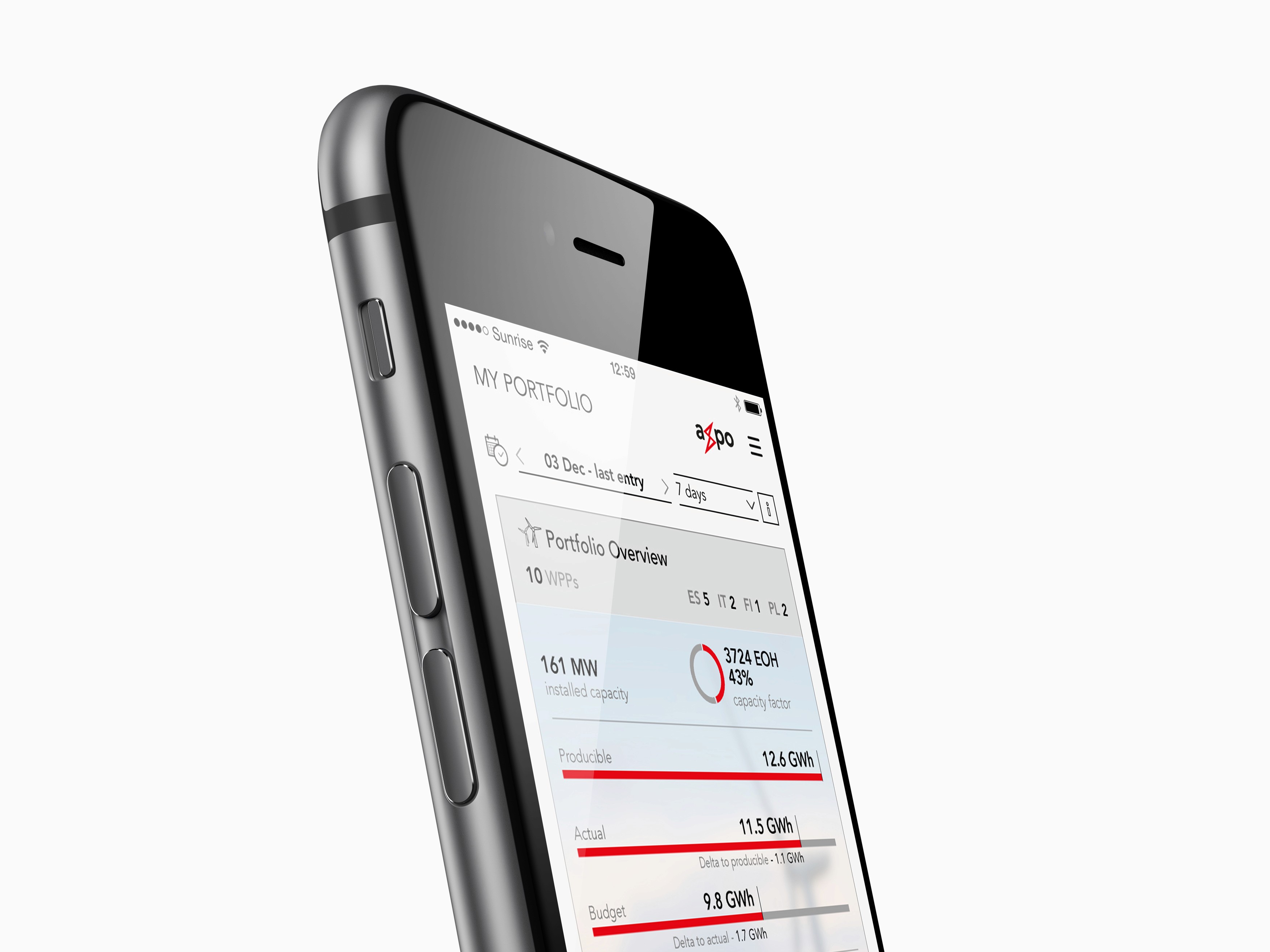
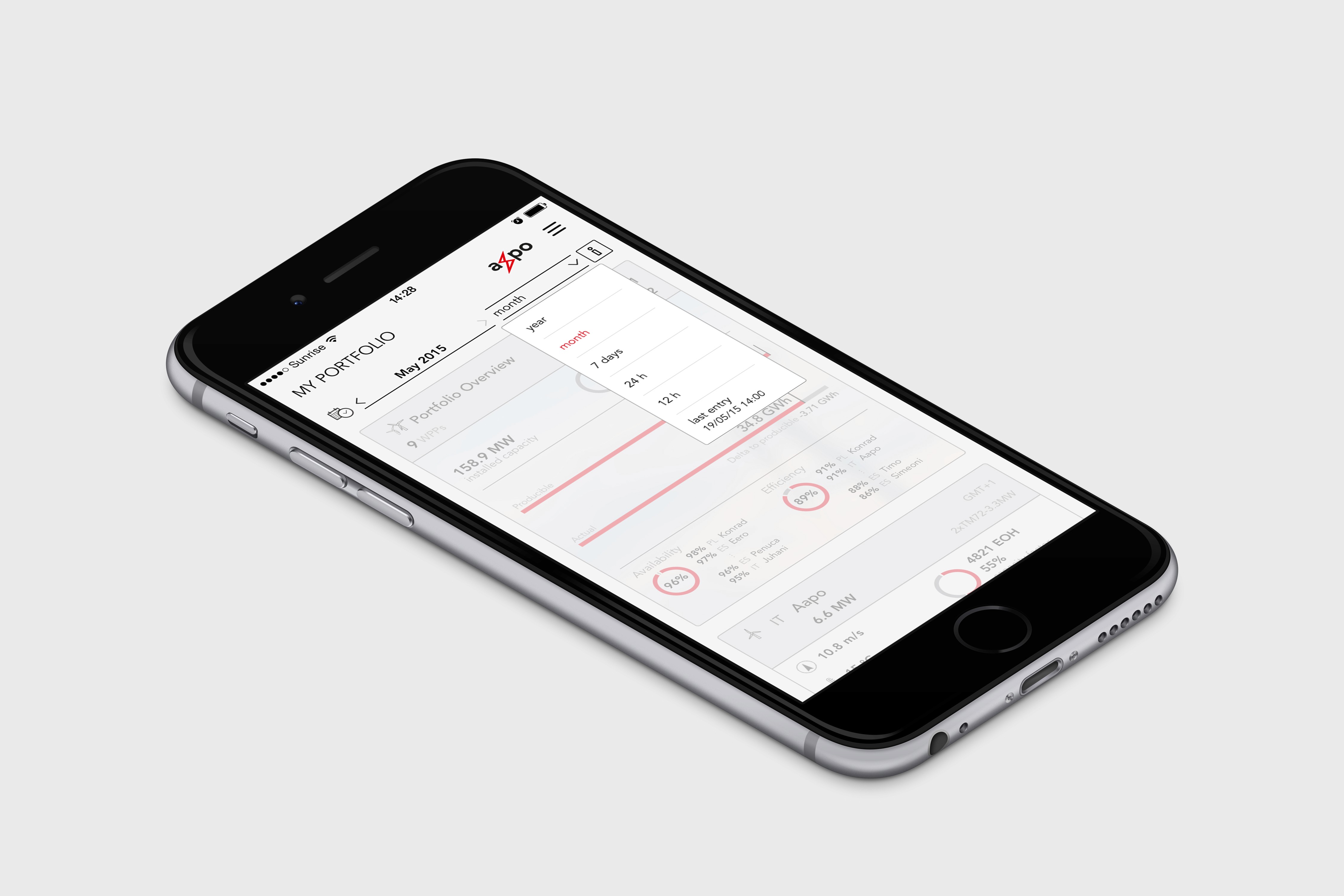
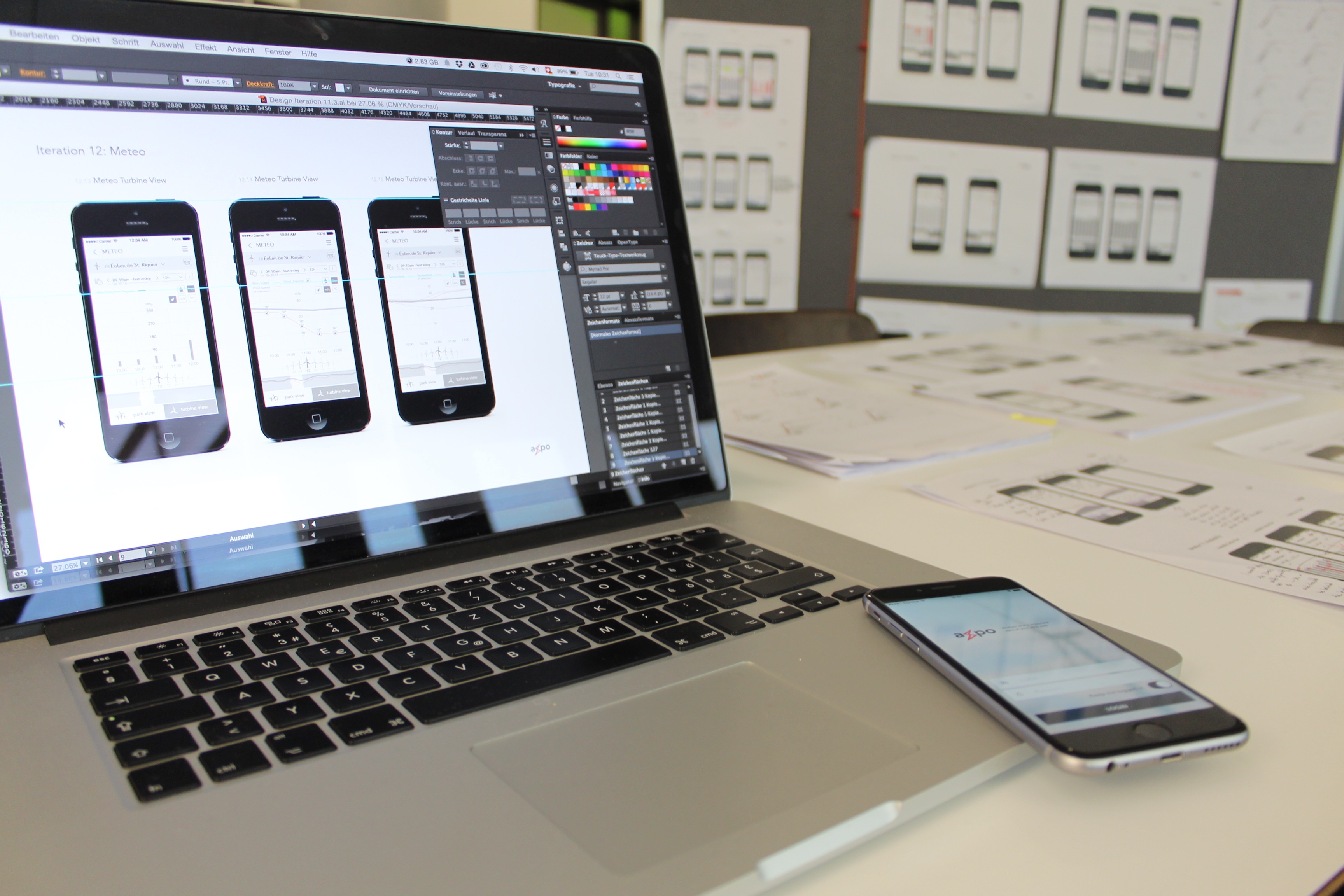
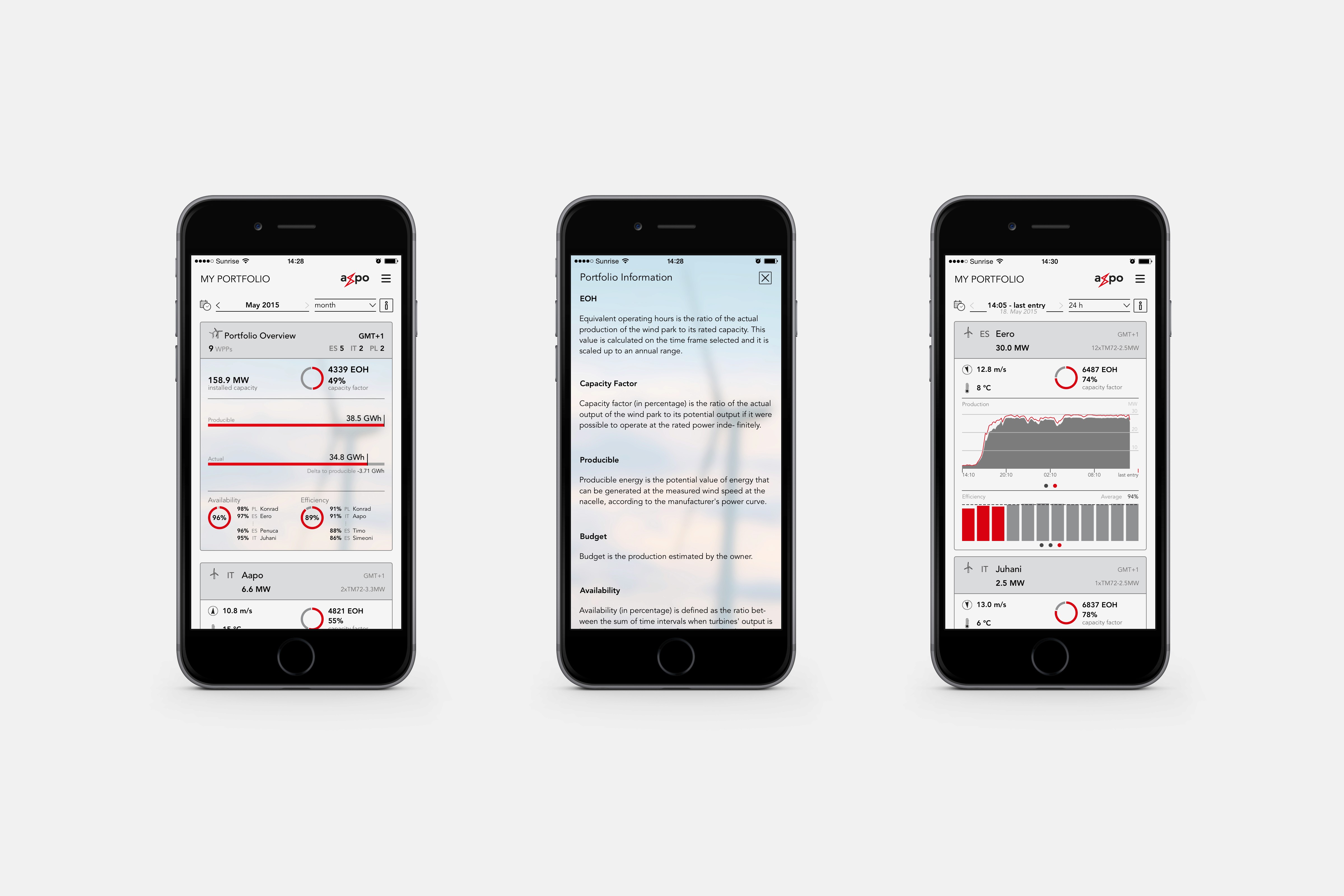
I designed a mobile-only application that centralised wind turbine data across portfolio, site, and individual turbine levels, incorporating a standardised data structure that made cross-site analysis possible for the first time. The app provided real-time monitoring and early warning indicators for potential failures, giving operators visibility before problems became critical.
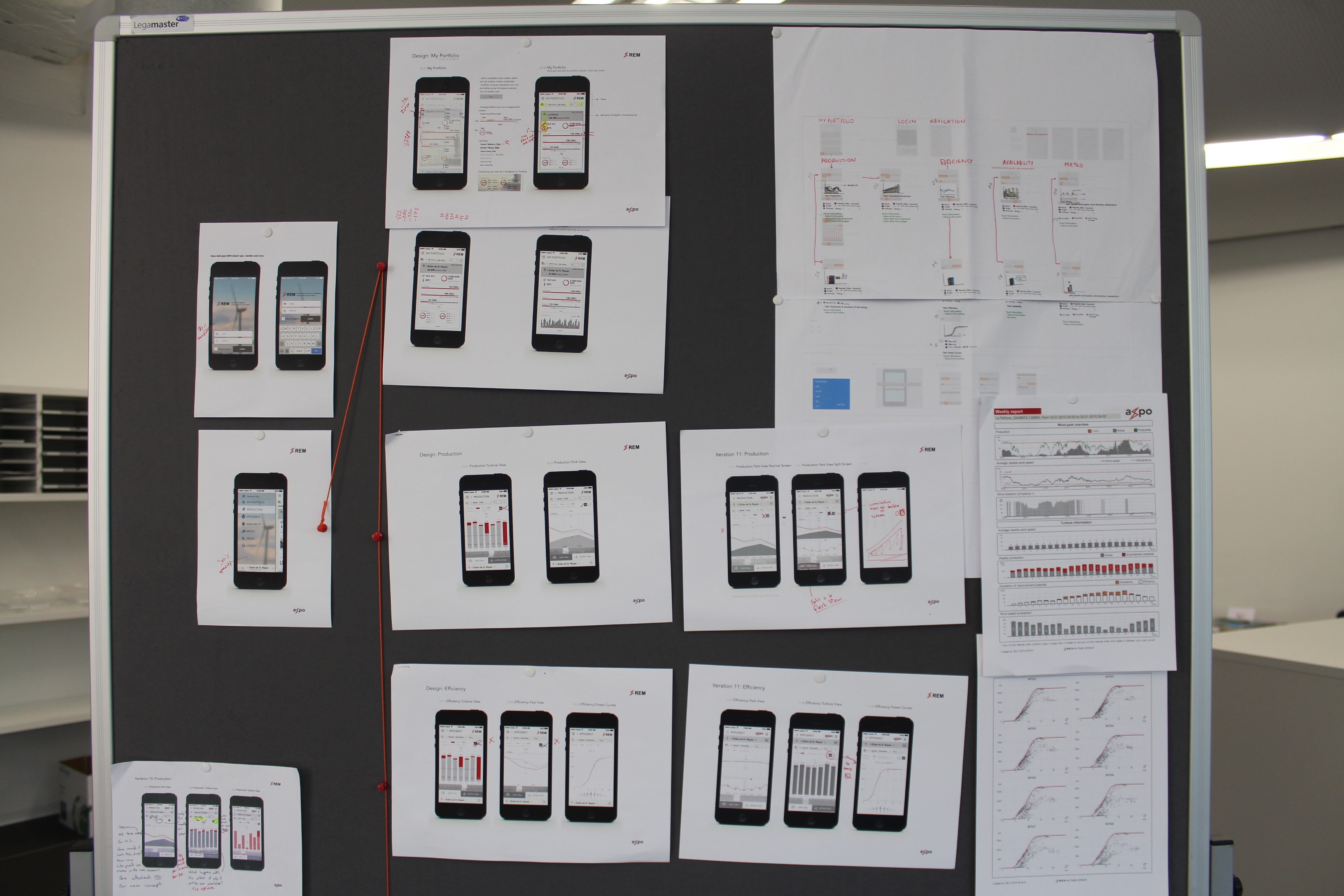
To validate the design I conducted over 20 user testing sessions using eye-tracking software, an approach that was relatively uncommon at the time and gave us precise, objective data on where attention actually landed versus where we assumed it would. The findings directly shaped the information hierarchy. The name and energy output of each turbine emerged as the primary data points operators needed to assess at a glance, and the layout was restructured accordingly.
This project set the foundation for how I think about designing for expert users in data-intensive environments. The lesson was simple but lasting: when users are professionals under operational pressure, every element on screen has to earn its place.